

Tide Turners The US Colored Troops in Tennessee made an immeasurable contribution during the Civil War. Some 13,000 USCT fought at the Battle of Nashville, making it the highest number engaged in fighting up to that point in the war. Because of their participation, the war in Tennessee came to an end. They were masons, carpenters, teamsters, cooks. But above all, they were soldiers and brave men, many of whom made the ultimate sacrifice.
Tide Turners can be seen on PBS affiliate stations across Tennessee. Presented by WCTE/PBS and supported by Nashville PBS.
“This program has been funded by a grant from the Wars Commission Grant Fund, administered by the Tennessee Wars Commission, the Tennessee Historical Commission, Department of Environment and Conservation.”
In PRODUCTION

While in theory, the 1920 passage of the 19th amendment enshrined womens’ right to vote into the Constitution, this primarily applied to white, native-born women.
BIPOC women were still restricted from voting through the mechanisms of literacy tests, property restrictions, poll taxes, citizenship barriers, and intimidation.
With the Exception Of explores these historic barriers, as well as the continued suffrage challenges faced by the BIPOC Community today.

Each year, thousands of Japanese Cherry trees blossom all over the United States. Throngs of people gather at various cherry blossom festivals, celebrating the arrival of Spring and experiencing an immersion into all things Japanese. Yet, most of them know nothing about the history of the arrival of the first trees and do not fully appreciate the significance of what they symbolize.
At a time when there is a tremendous focus on conflict, the Sakura trees serve as a reminder of how gently and naturally it is possible to fit into a landscape not of ones’ origin; and equally how beautiful the impact of something (or someone) from outside can be.
The festivals represent a coming together of people from all walks to learn about, and to celebrate, Japanese culture. They are a place where all are welcome and a good blueprint for positive intercultural relationships.
In Post-PRODUCTION
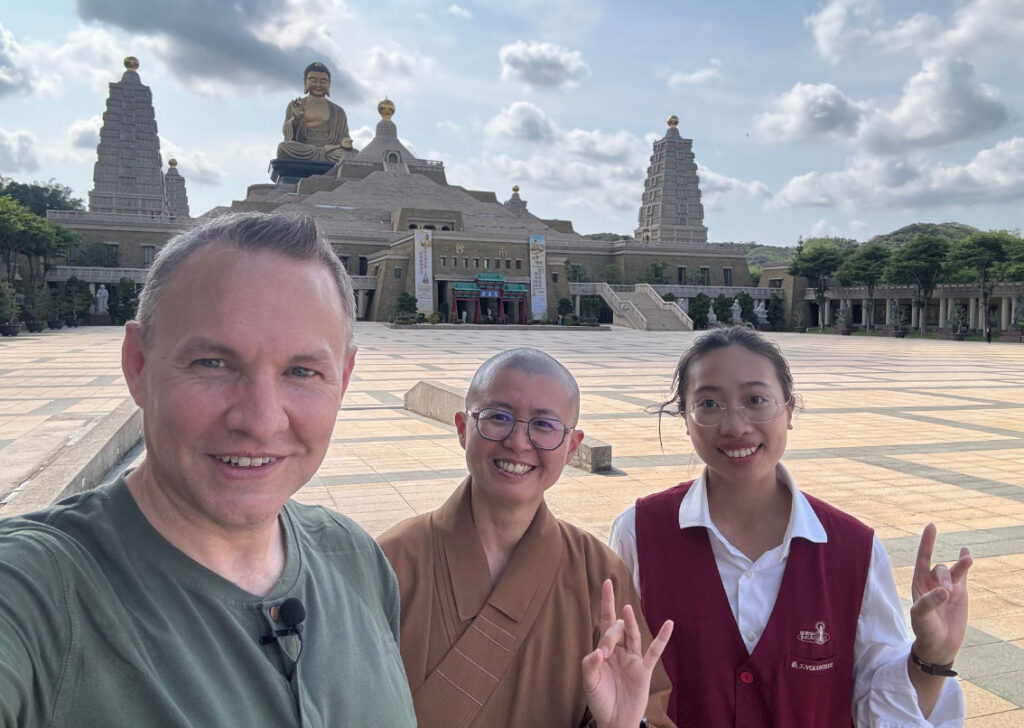
The Hungry Professor
Join the Hungry Professor as he eats his way as a vegetarian around globe, while learning about rich history and soaking in vibrant cultures. This edition of The Hungry Professor takes us on a journey around Taiwan. 13% of the population in Taiwan are vegetarian or fully plant-based. That makes Taiwan second only to India with the highest percentage of non-meat eaters. And that’s the kind of food he be eating from the highlands to the islands, and everywhere between.
The Hungry Professor series will be presented to American Public Television (for air) by WCTE/PBS. It will also be presented to Worldtv, Create, and American Public Television distribution

Ain’t No Daisies: Women on the Plantation From the beginning of the planter class and first enslaved peoples at Jamestowne, nothing about plantation life was simple. Ain’t No Daisies – Women on the Plantation examines the complexities of existing in this environment as a woman, particularly as the enslaved woman.
IN DEVELOPMENT
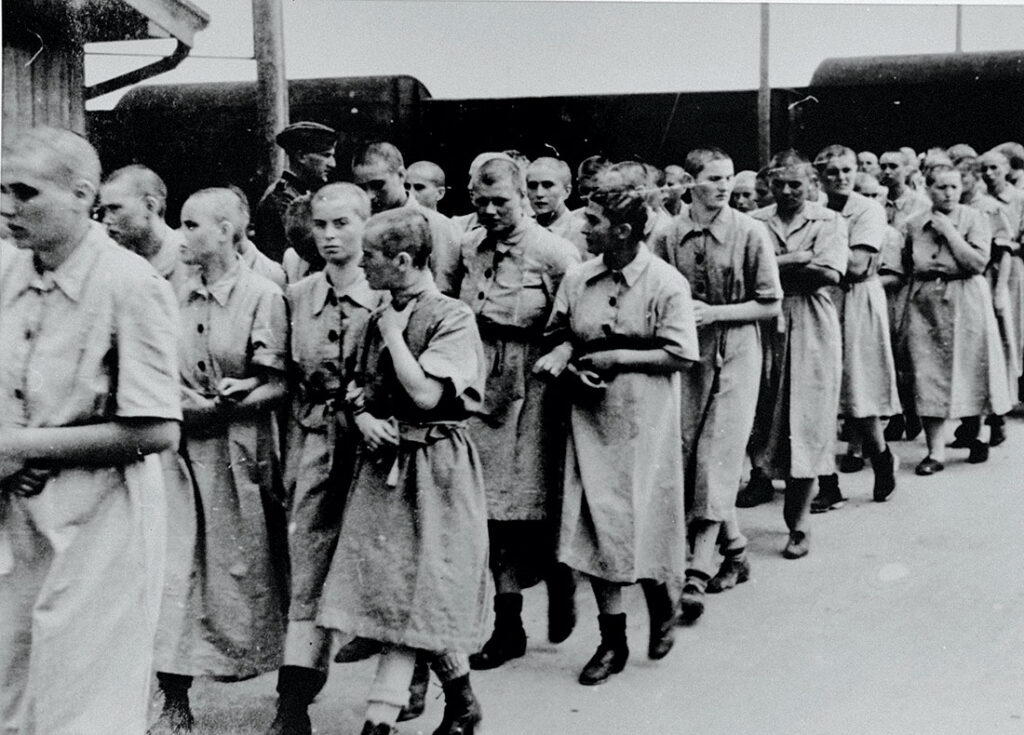
On the Other Side
Many concerns not faced by men added to the daily horrors of women interned during the Holocaust. Chances of survival for women were less than for men; and to aid in survival, women often coped in gender-specific ways, such as forging a network of relationships to foster a sense of emotional sustenance. There were also other, less than desireable, ways to faciliate survival… at least for a time, such as “volunteering” to be a participant in a network of prostitutes created by the SS. However, becoming pregnant was essentially a death sentence. At times, the nurses would kill the baby in order to spare the mother the gas chamber. On the Other Side investigates and compassionately considers concentration camp life as experienced by women.

The Disappearing Rainbow
The rainbow has come to symbolize many things over time- luck, promise, Pride. But for many identifying as trans during the terrifying Nazi regime of Hitler, the colors of the rainbow became identifiers of a different kind. Colors were assigned in the form of triangles with black being the color ascribed to anyone considered to be “asocial”.
The Disappearing Rainbow will explore this topic through a creative lens, utilizing a poetic documentary style.